What is Commodity Trading in India? Strategies, Risks & Tips
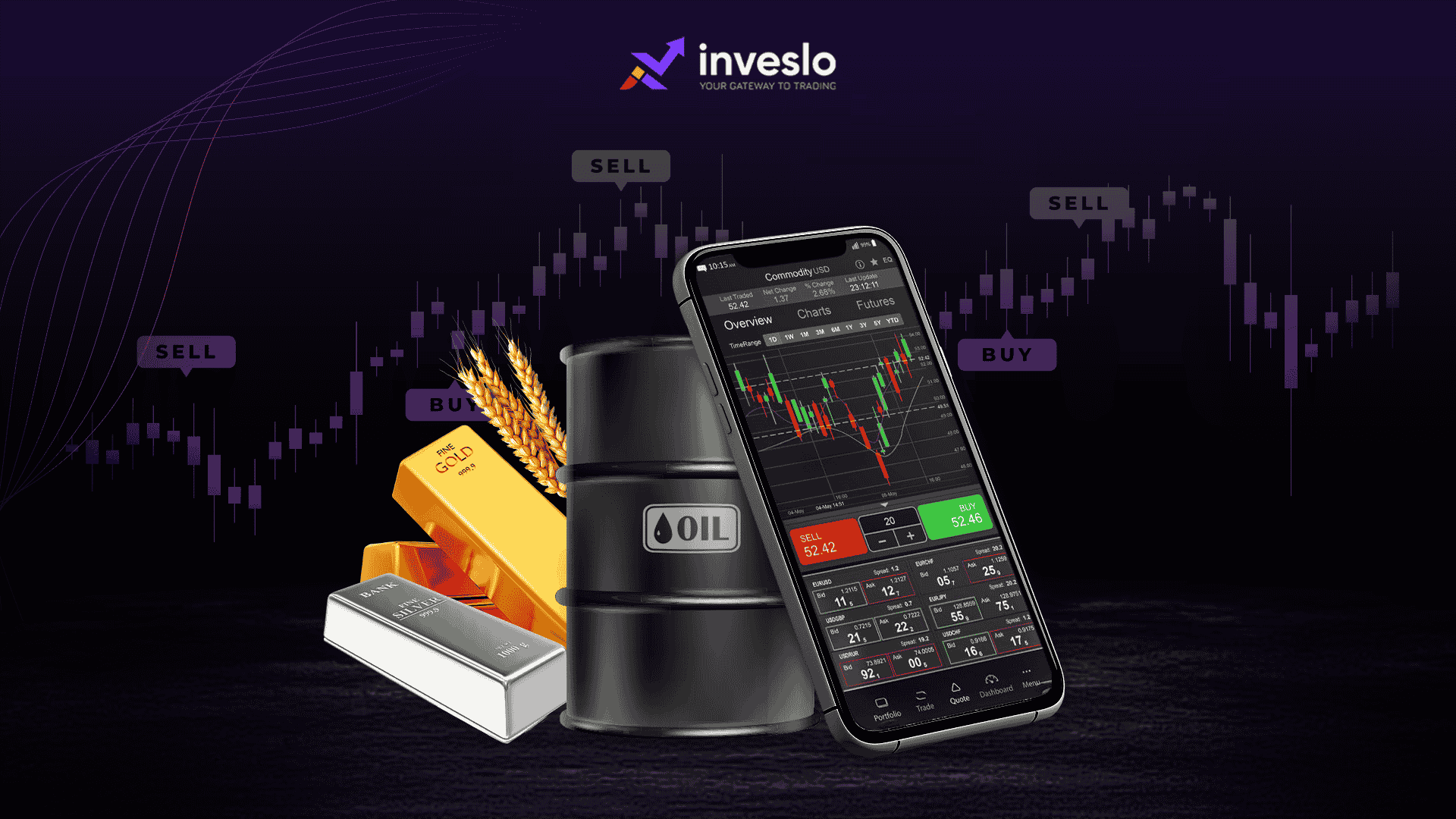
Trading in commodities in India has turned into a quite advanced method for investors to diversify their investments besides the traditional stocks. One buys and sells raw materials such as gold, crude oil, cotton, etc., on the exchanges in the commodity market. For most people, it is a strong hedge against inflation and at the same time, a means to make money through global supply and demand shifts. But the high degree of price fluctuations of these commodities calls for having a thorough knowledge of the market operations. Here, we talk about the basics of the Indian commodity market, and in this, you will get to know the strategies and risks related to the same, so that you can trade productively and also lay a strong protection for your investments.
What is Commodity Trading?
Commodity trading is the market for the purchase and sale of commodities (or goods). These goods generally fall into the category of raw material (e.g., crude oil, agricultural products) or primary product (e.g., gold, silver).
In India, commodity trading is conducted on exchanges with the use of contracts instead of physical goods. Contracts represent an agreement to buy or sell a commodity for a specific price at a specific time in the future.
Two main types of commodities can be traded:
1. Hard commodities - this includes natural resources that are mined or extracted (e.g., crude oil, gold, and silver).
2. Soft commodities - this includes agricultural products (e.g., wheat, sugar, cotton, and spices).
There are many reasons why people trade commodities. Typically, they are used for:
1. Diversification
2. Hedging
3. Speculation
Commodity Trading in India
Commodity trading in India operates under a regulated framework and is supervised by financial authorities to maintain transparency and fairness in the market.
The major commodity exchanges in India include:
- Multi-Commodity Exchange (MCX)
- National Commodity and Derivatives Exchange (NCDEX)
Traders can conduct buying and selling of commodity futures contracts through the trading platforms that brokers make available to their customers.
Traders can participate in commodities like crude oil, gold silver, natural gas, copper, and agricultural products. The prices of these commodities are affected by global demand and supply, geopolitical events, weather conditions, and economic factors.
Risk Affects Commodity Prices
The commodity markets are very sensitive to various external factors. Commodities are mostly affected by global events, unlike stocks, where the performance of the company is a factor.
Several factors that influence the prices of commodities are:
- Lack of equilibrium of demand and supply on a global scale.
- Currency fluctuations and inflation.
- Climatic conditions of agricultural products.
- Geopolitical tensions
- Policies and customs of the government and import-export.
To illustrate, the shocks in oil supply can significantly raise the prices of crude oil across the globe. Equally, unfavorable monsoon seasons in India may increase the prices of agricultural commodities.
Knowledge of the impact of risk on the price of commodities is important to traders wishing to develop viable plans.
Major Risks in Commodity Trading
Trading in commodities can prove to be lucrative; however, it has a number of risks. Knowing these risks will enable traders to be better equipped and avoid big losses.
1. Price Volatility
The price of commodities can increase or decrease quickly because of news or economic data in the world or supply shocks. Such volatility may bring opportunities and threats.
2. Leverage Risk
Commodity trades are characterized by a lot of leverage, which implies that a trader can manage big positions using little capital. Nevertheless, the number of losses might also rise rapidly.
3. Liquidity Risk
There are certain commodities that can have low trading volumes. This may render it hard to get in or out of trades at the preferred price.
4. Political and Economic Risk
The policies of the government, taxation, and international business trade have the capability to affect the prices of commodities and their market dynamics.
5. Market Speculation
It is possible to have sudden price rises or crashes due to high speculation in commodity markets.
These two factors render commodity trading and risk management crucial to traders interested in safeguarding their capital.
Commodity Trading and Risk Management
Success in this career isn't simply selecting the right route; it is also about commodity trading and risk management. Due to the nature of volatility, you need to make capital preservation your main objective.
It takes discipline to recognize the link between the physical market and the derivatives market to know how to proceed. Most traders combine their technical analysis skills, like interpreting charts and patterns, with fundamental analysis that keeps track of global supply reports, crop cycles, and macroeconomic data.
Popular Commodity Trading Strategies
Different traders employ different strategies based on their objectives and the expectations of the market.
1. Trend Following Strategy
In this approach, traders get to know of an upward or downward trend and then trade accordingly.
2. Breakout Trading
Breakout trading is the act of getting into a trade as the price of a given commodity breaks a major support/resistance point.
3. Spread Trading
Spread trading is a trading activity whereby positions are taken in two related commodities or contracts to gain benefits by taking advantage of price differences.
4. Seasonal Trading
There are commodities that have seasonal patterns. Commodities like agriculture tend to flow according to the seasons associated with harvesting and the weather.
5. News-Based Trading
Commodities are affected by economic reports, geopolitical news, and disruption of supply, which provide trading chances.
The selection of the appropriate strategy should be based on the experience of a trader, his or her risk tolerance, and his or her knowledge of the market.
Tips for Successful Commodity Trading
In case you are intending to enter the trade in the commodity markets, some tips can be followed so that you can have a better chance of succeeding.
Learn Before You Trade
Before investing money, one has to have an understanding of commodity market fundamentals.
Use Reliable Tools
The market analysis tools, charts, and indicators are offered through a professional trading platform to assist traders in making sound decisions.
Manage Your Risk
It is always better not to risk more capital than you are able to lose.
Follow Market News
Global news and economic events have a high response in commodity markets.
Start Small
Do a little trade at first and then get more and more exposed as you become more experienced.
A large number of international brokers like Inveslo provide traders access to commodity markets where they have enhanced applications, competitive spreads, and leverage facilities.
Concluding Thoughts
Traders wishing to broaden their portfolio through the use of trading commodities can find many opportunities on the global marketplace through all types of price changes. Nonetheless, numerous factors influence commodity prices, including interruptions to the supply chain, politically based events around the world, and the overall economic conditions of countries. Therefore, knowing how to manage the risks associated with commodity trading is necessary for those wishing to be successful in this area of the financial economy.
Understanding the major risks in trading commodities and utilizing good risk management strategies related to commodities can help traders preserve their capital and enhance their decision-making capabilities. Good research, discipline, plus an excellent trading platform give traders the ability to trade commodities with a greater degree of confidence.
If you wish to check out trading opportunities in the commodities market, take advantage of the knowledge of our industry experts and begin your trading with confidence by contacting us today!
FAQs
1. What is commodity trading?
The act of buying or selling commodities, which are basic materials that can be traded in the marketplace, is known as commodity trading. These include non-perishable products such as gold, crude oil, and most agricultural commodities.
2. What are the major risks in commodity trading?
There are many risks associated with trading commodities, but the two most common include: price volatility, leverage, liquidity risk, political risk, and global supply and demand imbalances.
3. How does risk affect commodity prices?
The price you pay for a commodity will usually be affected by supply disruptions, events happening around the globe that are political in nature, inflation, and weather conditions throughout the world.
4. What Is Risk Management in Commodity Trading?
Risk management in commodities trading usually consists of four main strategies: diversification, setting stop-loss orders, hedging, and managing how much a trader is risking when they place each position.
5. Is Commodity Trading In India Legal?
Yes, commodity trading is completely legal in India and is overseen by the Securities and Exchange Board of India (SEBI), through approved exchanges.
6. What commodities are most traded in India?
Some of the most widely traded commodities in India include: gold, silver, crude oil, natural gas, copper, and most agricultural products produced in India.
Related articles
 CommoditiesInveslo
Why Gold Rally Cools in 2026: Pullback or Trend Reversal?
Gold markets after a strong rally over the last couple of years are now 2026 showing signs of exhaustion. The prices that appeared as if they might keep increasing infinitely are being resisted now and the traders as well as the investors are left wondering what will happen next.
 CommoditiesInveslo
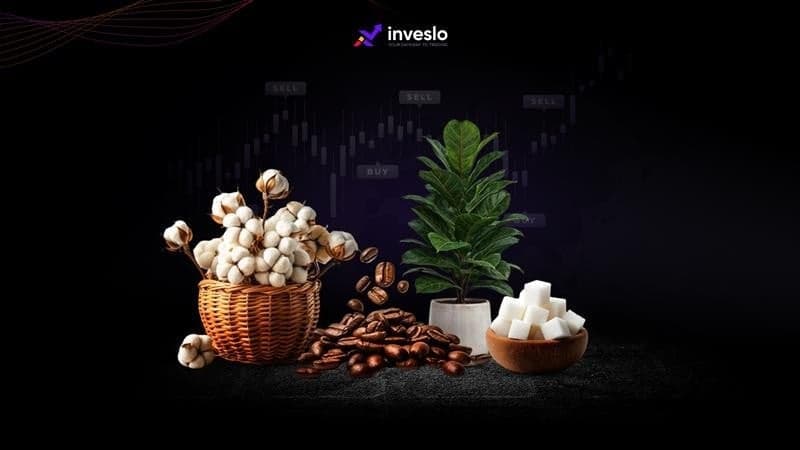
What are Soft Commodities & How can You Trade Them?
Soft commodities are a vital component of the global financial and trading system; however, many traders overlook their value.
 CommoditiesInveslo
How to Trade Gold Profitably in 2026
Gold has remained one of the most secure assets for traders and investors all over the world. Owing to the trends that we will encounter in the year 2026, it will become more important to know how precious metals trading works.