The forex market is a thrilling and fast-paced arena where currencies are traded around the clock. Known for its massive trading volume and endless opportunities, it attracts beginners and seasoned traders alike. If you’ve ever wondered how this global marketplace operates or why it’s called the most liquid market, you’re in the right place.
This blog will break down the essentials of forex trading, explain what makes it so unique, and show you how to navigate its waters with confidence. Let’s dive into the world of currencies and explore how it all works!
What is Liquidity in Forex?
Liquidity is how easily an asset (think currency) can be exchanged or transacted without substantially impacting its price. In a liquid market like forex, liquidity is everything because it allows someone to enter or exit a trade while purchasing a currency worth millions or even a few dollars! High liquidity means there is a buyer or seller on the other side of every transaction, keeping liquidity tight and prices stable.
So why is forex so liquid? It is all about the size of the market—averaging over $7 trillion in transactions daily. Major currencies such as the US dollar, euro, and yen are the most liquid as they are the most demanded currencies from global trade, investments, and economic events. A constant flow of moving currencies means that the forex market never sleeps!
Why Forex Trading Stands Out
Trading foreign exchange is not just about currency exchange; it is the gateway to the entire world. The foreign exchange market is completely peripheral, there is no singular exchange to control the foreign exchange market; it is available to the public. There is no need to wait until the bell rings to trade as there is in the stock market. You can use leverage to control larger positions with a smaller amount of capital.
The liquidity of the foreign exchange market contributes significantly to its resiliency. While you will see volatility caused by economic reports, interest rate changes, or geopolitical events, enough players are trading to maintain a steady environment. The combination of ease of entry, size, and activity is difficult to beat for traders.
Types of Liquidity in the Forex Market
High Liquidity: Many buyers and sellers exist in the market; transactions are filled almost instantly, with minimal price variation.
Low Liquidity: Low liquidity amounts to a scenario where fewer participants help with lower volumes, causing slow execution and larger price swings.
Understanding liquidity is a must when deciding what currency pairs to trade, when to trade, and how much risk to assume.
Advantages of Trading in a Liquid Market
The forex market is characterized by liquidity, which brings with it several advantages; therefore, this is why many traders prefer it:
- Tighter Spreads: High liquidity tends to inevitably set a small difference between the bid and the ask price, compounded by lower costs of executing trades involving minimal slippage.
- Quick Execution: You have the advantage of entering or exiting near real-time trades, which is extremely pertinent to day traders and scalpers.
- Lower Slippage: Trades get accepted at, or near, your prices of preference so as not to distort your trading methodologies.
- Stable Prices: In a highly liquid market, no extreme price movement will be caused by a single trade.
All these benefits combine to make trading in highly liquid markets not only more efficient but also more secure.
Liquidity in Forex Market: What Influences It?
Several global factors influence the level of liquidity in forex markets, including:
Time of Day: Different trading sessions by themselves can influence liquidity. The highest liquidity is registered during the overlap of important markets.
Economic News: Spike-triggering reports such as those of interest rates, gross domestic product data, and employment figures.
Geopolitical Events: Political turmoil, wars, and even global crises become a major reason for transparency reduction owing to uncertainty associated with movements in the market.
Market Sentiment: Liquidity manifestation usually occurs because of the emotions and expectations of traders at a great level.
Central Bank Actions: The effect that stimulus or outcry by central banks have on the trading scale and trading liquidity is also often huge.
By understanding this fact, traders can better predict the timings when the forex market is most active and which currency pairs are more profitable for trading.
Trading Strategies Based on Market Liquidity
Your trading style ought to align with the liquidity environment of the market concerned. Here are some strategizing ideas according to liquidity conditions:
01. High Liquidity Strategy
- Scalping and Day Trading: Entering multiple trades in a short time within small price movements.
- Breakout Trading: Use tight spreads and fast execution to profit from price breakouts during news or sessions overlap.
02. Low Liquidity Strategy
- Swing Trading: Maintaining trades for long enough in order not to get disturbed by short-term fluctuations.
- Wider Stop-Losses: Allow for gaps or slippage during illiquid phases.
Good trading is only partly knowing the strategies. When to implement these strategies and how to adapt them along liquidity situations are crucial for considerable enhancement in outcome.
Common Myths About Forex Liquidity
To clarify your understanding, let us debunk some myths concerning liquidity in the forex market:
Myth 1: Liquidity benefits only large institutions.
Fact: Liquidity benefits everyone. It ensures the quick execution of orders and stable price levels.
Myth 2: Low liquidity always implies poor trading opportunities.
Fact: Low liquidity periods can present good setups and, with sound risk management, can lead to healthy profits.
Myth 3: All major pairs are liquid in all cases.
Fact: Liquidity can dip during certain time zones outside of regular market hours or during major economic dislocations.
Staying informed and adaptable is the key to adjusting your strategy to the ever-altering dynamics of the forex market.
Common Mistakes to Avoid in Forex Trading
Even pros slip up, but avoiding rookie errors can save you headaches. Major among them is overleveraging: if you borrow too much and the market works against you, you can wipe out your account. Noting risk management, like not placing stop-losses, is yet another trap. Emotional trading, such as trying to chase losses or being greedy, will also be your greatest enemy.
Be sure not to overlook research, either! Trading blindly without comprehending market drivers is just like sailing without a compass. Start small, be disciplined, and regard a loss as a lesson. The forex market rewards those who respect its might.
Tools to Boost Your Forex Success
Forex trading can go along much smoother with the proper tools. Platforms such as MetaTrader 4 or 5 have charting, indicators, and automated trading functions. Economic calendars highlight important events, while news feeds keep you posted on changes that affect the world market. For technical traders, tools such as moving averages or the RSI can help in identifying trends and entry points.
These are usually bundled by brokers, so explore what is available. You can also refine your approach by backtesting your strategies on historical data. With continued practice, these tools will be at your beck and call so that you will maximize your chances of gaining in the forex market.
How Technology Enhances Liquidity in Forex
Technology is a major player in enhancing liquidity in the forex market:
- Electronic Communication Networks (ECNs): They connect buyers and sellers directly, thereby increasing the participant pool, which in turn increases order execution.
- Automated Trading Systems: Bots and algorithms work to ensure that stocks are traded with high volume and little manual delay.
- Mobile Trading Apps: Inveslo, for instance, is a platform providing seamless access to the forex market so that traders can trade on the go with real-time data.
Continued innovation in these fields promotes transparency, accessibility, and liquidity in the marketplace, thereby providing better trading experiences for all participants.
The Future of Forex Trading
As far as the direction of Forex is concerned, in terms of pace that has been set out by technology, artificial intelligence and algorithms accelerate trades while access is secured by mobile applications. With the education and improved platforms available, retail participation would rise. The introduction of central bank digital currencies could drive several new tradeable pairs into this increasingly linked marketplace.
Liquidity will likely remain favorable, given globalization. However, volatility may also increase because of longer-term economic shifts or geopolitical tensions. A successful trader will need to embrace these trends by remaining adaptable, knowledgeable, and tech-savvy.
Conclusion
Whereas the forex market's liquidity acts as a major driving force in making this market fast, flexible, and full of potential, the scope of what to trade at any moment, day or night, has only whetted the appetite for understanding how it works in your journey toward successful trading. After realizing liquidity and online trading, the journey only begins: each step will be analysed in terms of the working of the forex market.
At Inveslo, we will help you cross this continuously messing with the outside world. Ready to join? Then connect today with one of our forex experts and get into exploring all the wonders of forex trading!
Related articles
 ForexInveslo
What is the Consumer Price Index (CPI)?
The Consumer Price Index (CPI) tracks the average change over time in prices consumers pay for a representative basket of goods and services. It is one of the main measures used to monitor consumer inflation.
 ForexInveslo
What is a Trading Journal & How Do Traders Use It?
A trader can remember a big winner for months and forget three poorly planned trades from the same week. That is one reason relying on memory makes trade review difficult.
 ForexInveslo
Slippage in Trading: What it is and How to Reduce it?
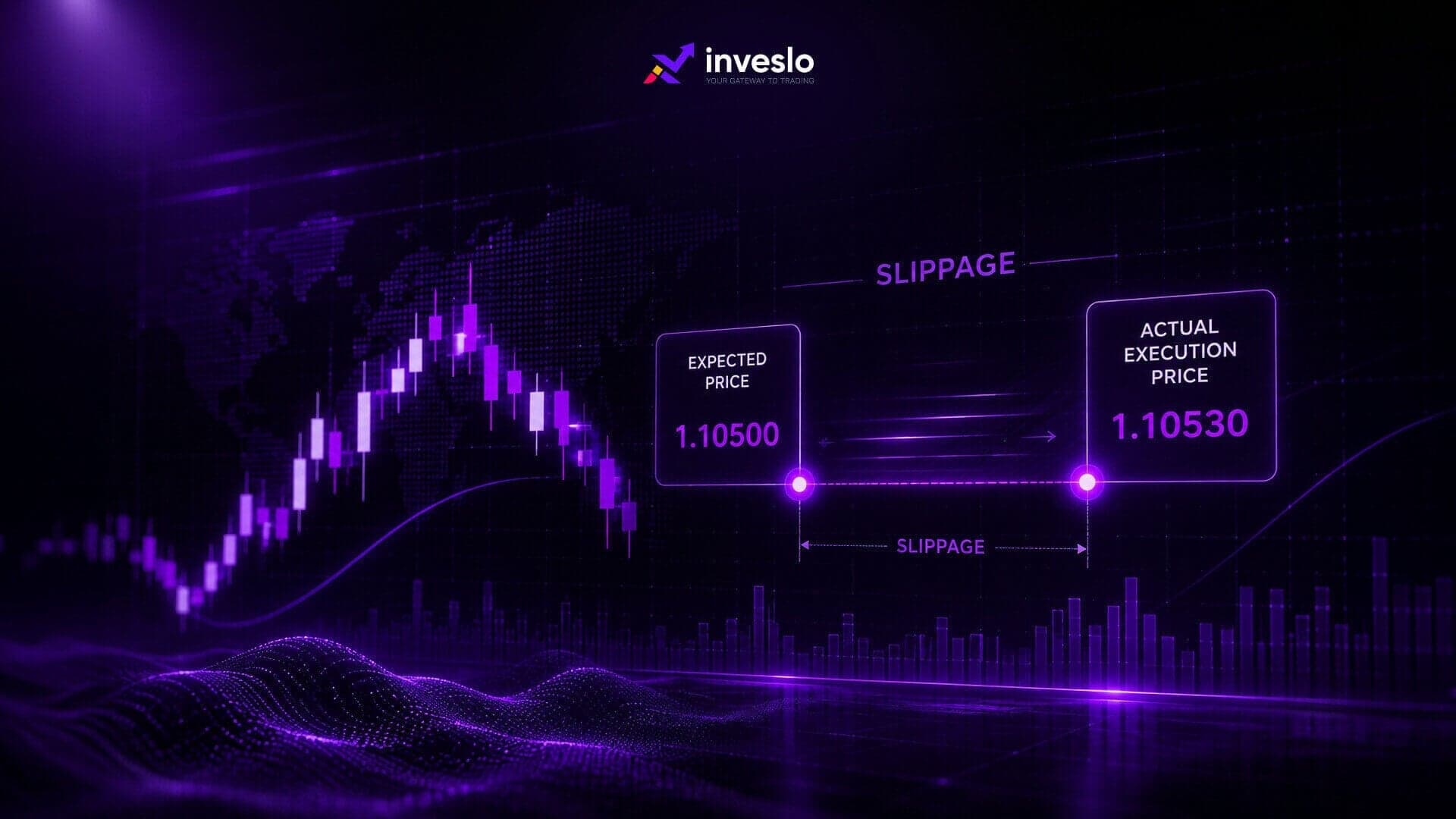
Slippage in trading costs most retail traders more than they realise, and it's rarely discussed until after the damage is done. You place an order at one price, it fills at another, and suddenly your trade is already underwater before the market's moved a tick against you. It happens fast.